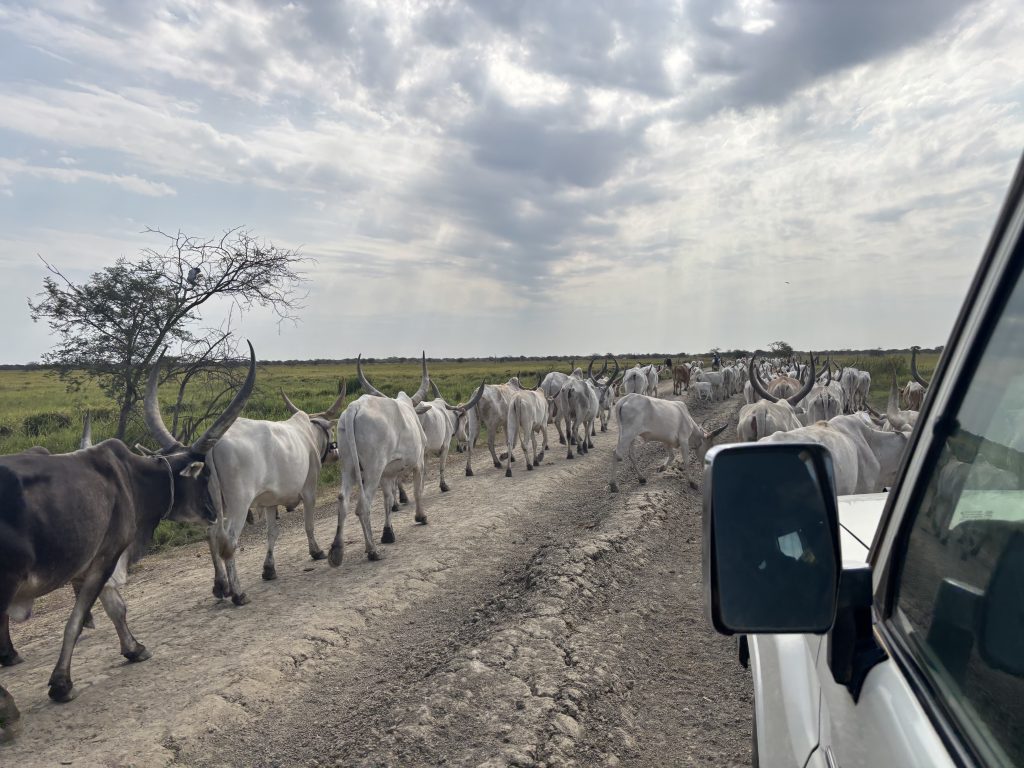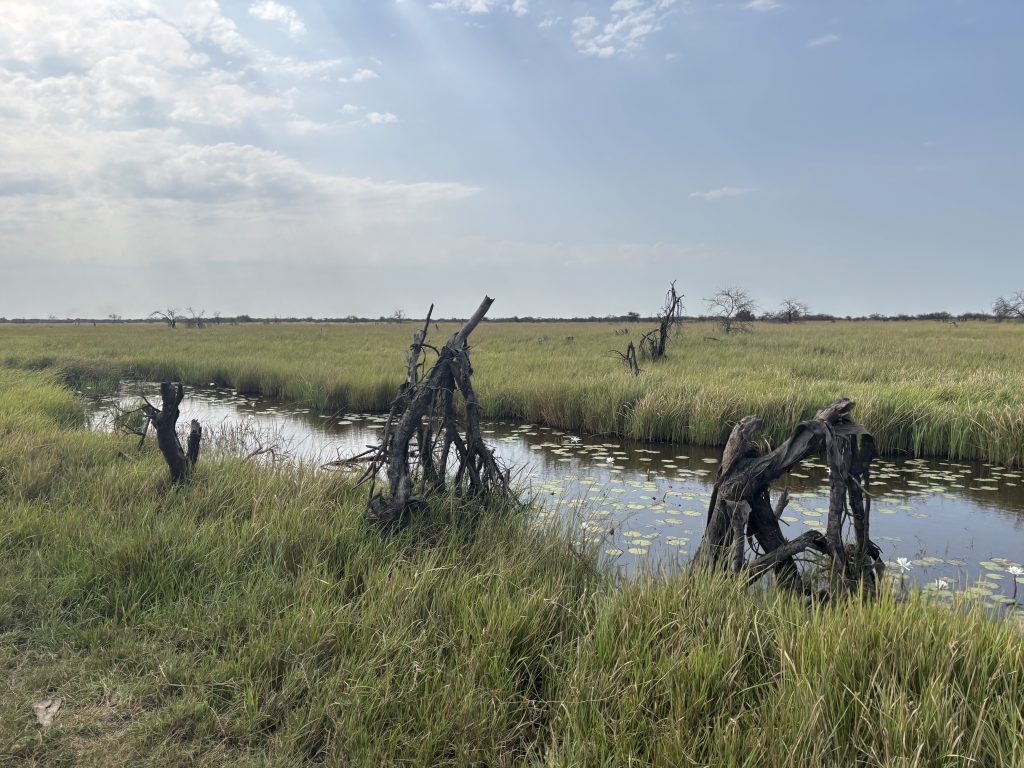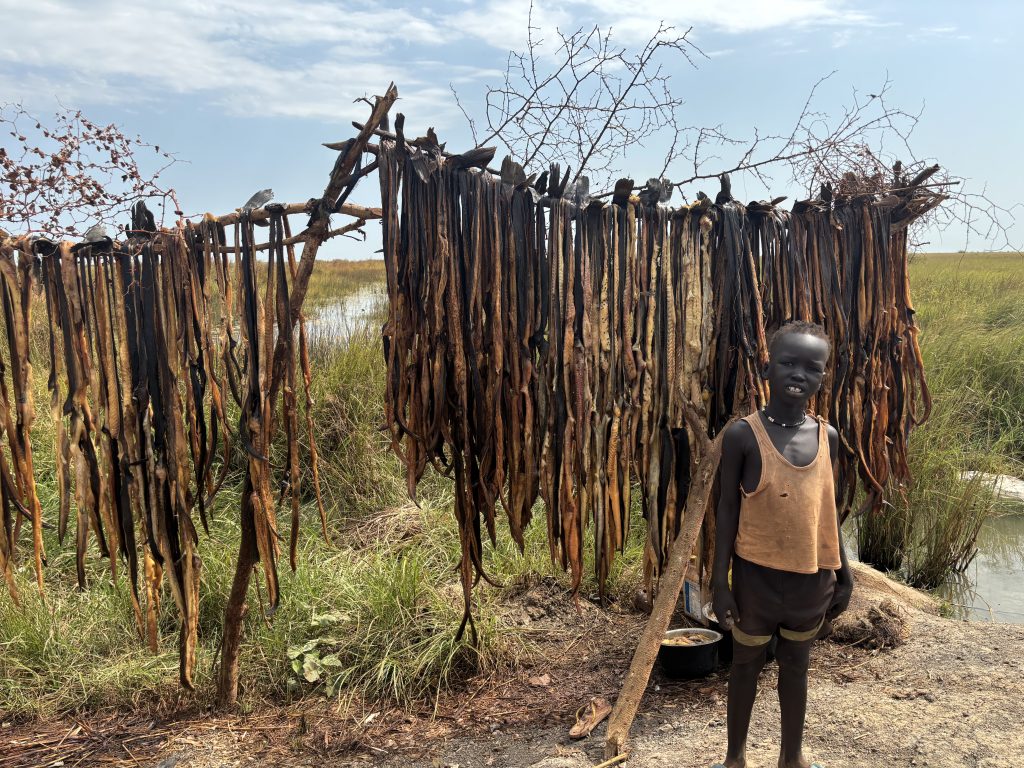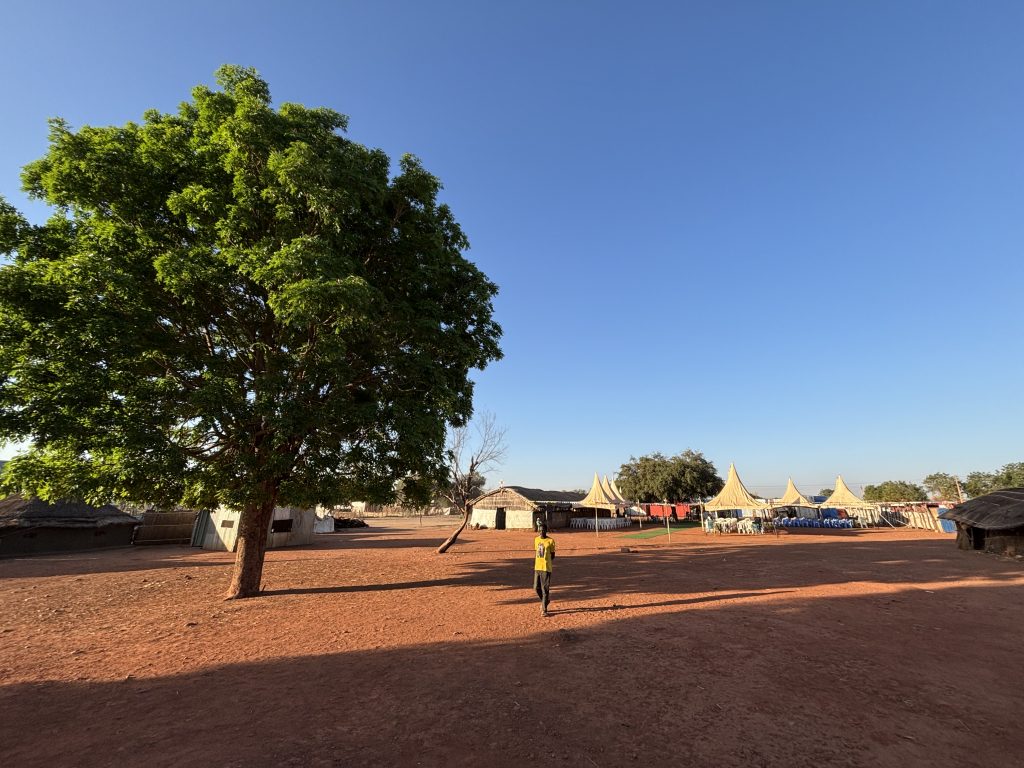

As sound designers, we’ve all been there: You’re working on a scene set in a bustling East African market or a quiet rural village, and you reach into your toolkit only to find the same over-used “African” backgrounds. They’re either too clean, too “safari-esque,” or clearly recorded in a different part of the continent.
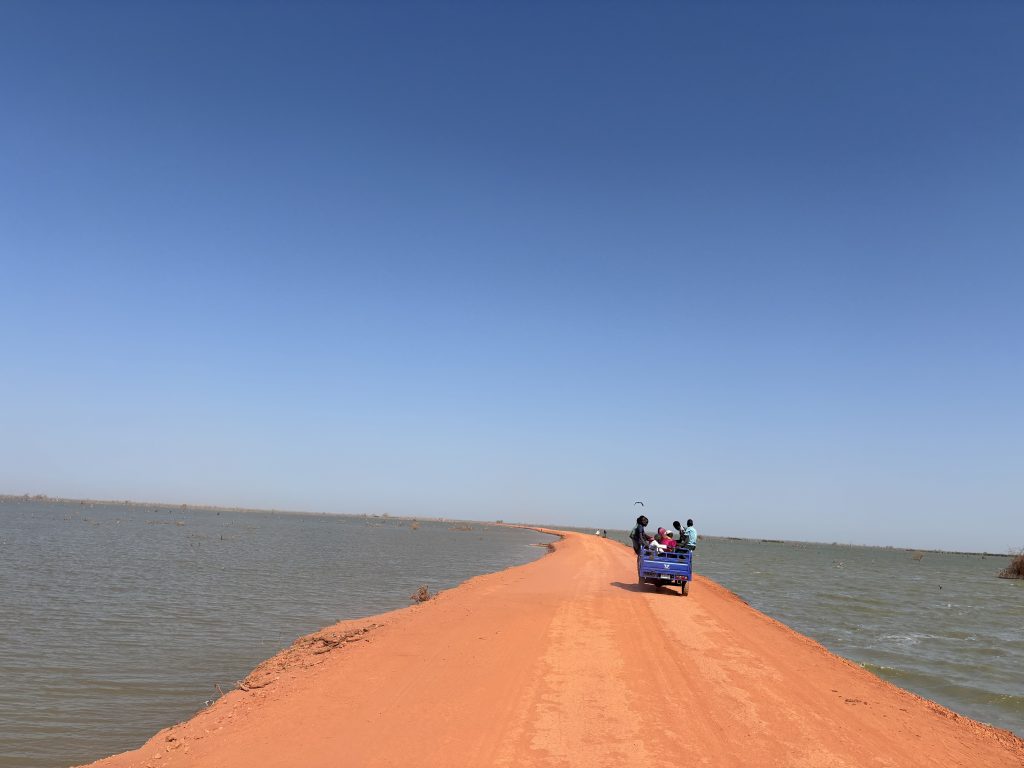
The missing piece is authenticity. I recently spent two weeks in South Sudan, a corner of the world that remains one of the most difficult and rarely recorded environments on Earth. I didn’t go there just to record; I went to live it. From the chaotic, humid airstrip in Juba to the remote, flood-threatened camps of Bentiu, I carried my Ambisonic rig into spaces where high-fidelity audio rarely travels
Solving the “Generic Background” Problem
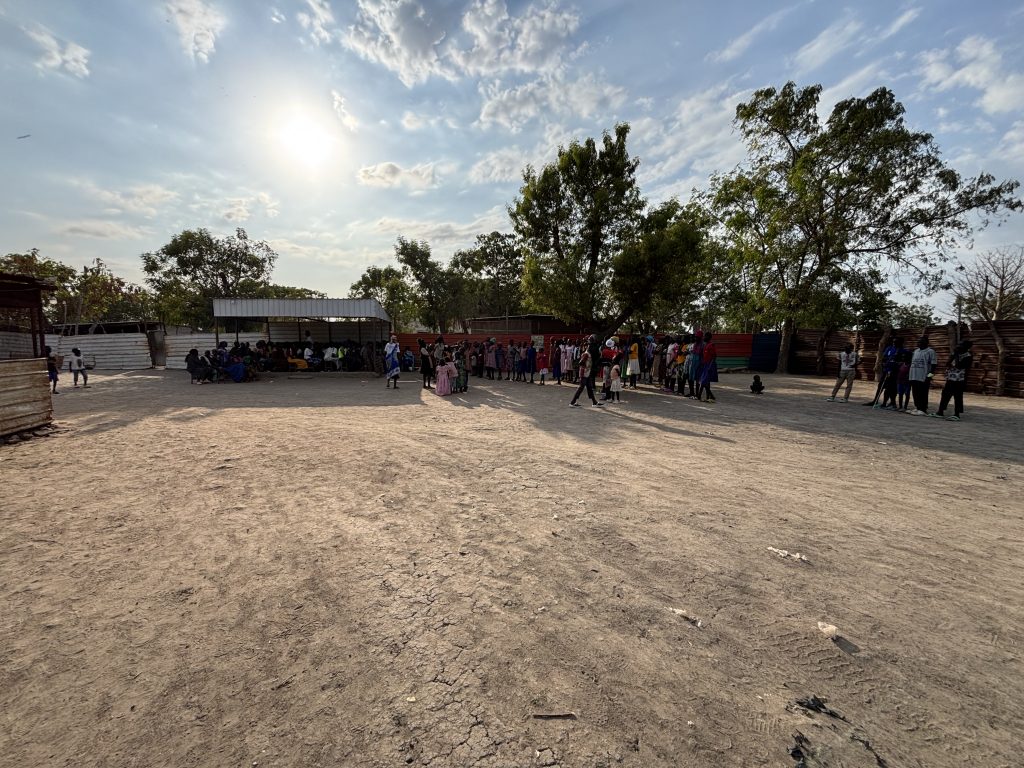
The “pain” in most African sound libraries is that they lack the specific human-environmental overlap that defines the region. My goal with the South Sudan Immersive Library was to solve that.
- The Linguistic Layer: You won’t find generic chatter here. The library captures the organic blend of Nuer, Dinka, and Arabic, providing a sonic “fingerprint” that is unmistakably East African.
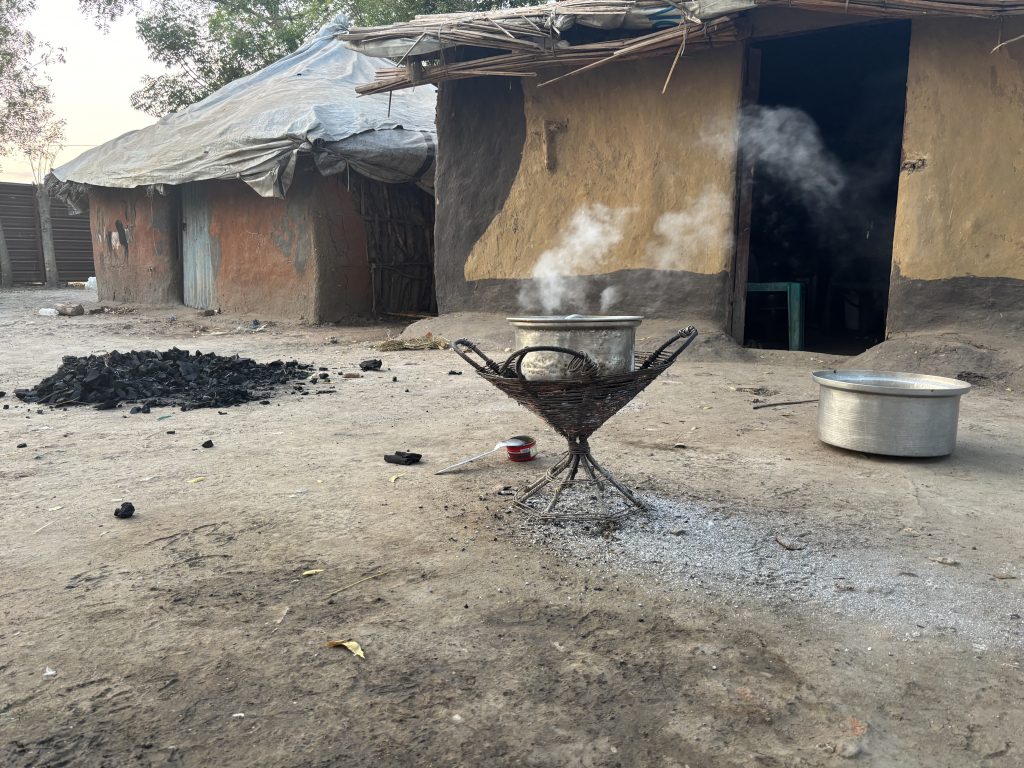
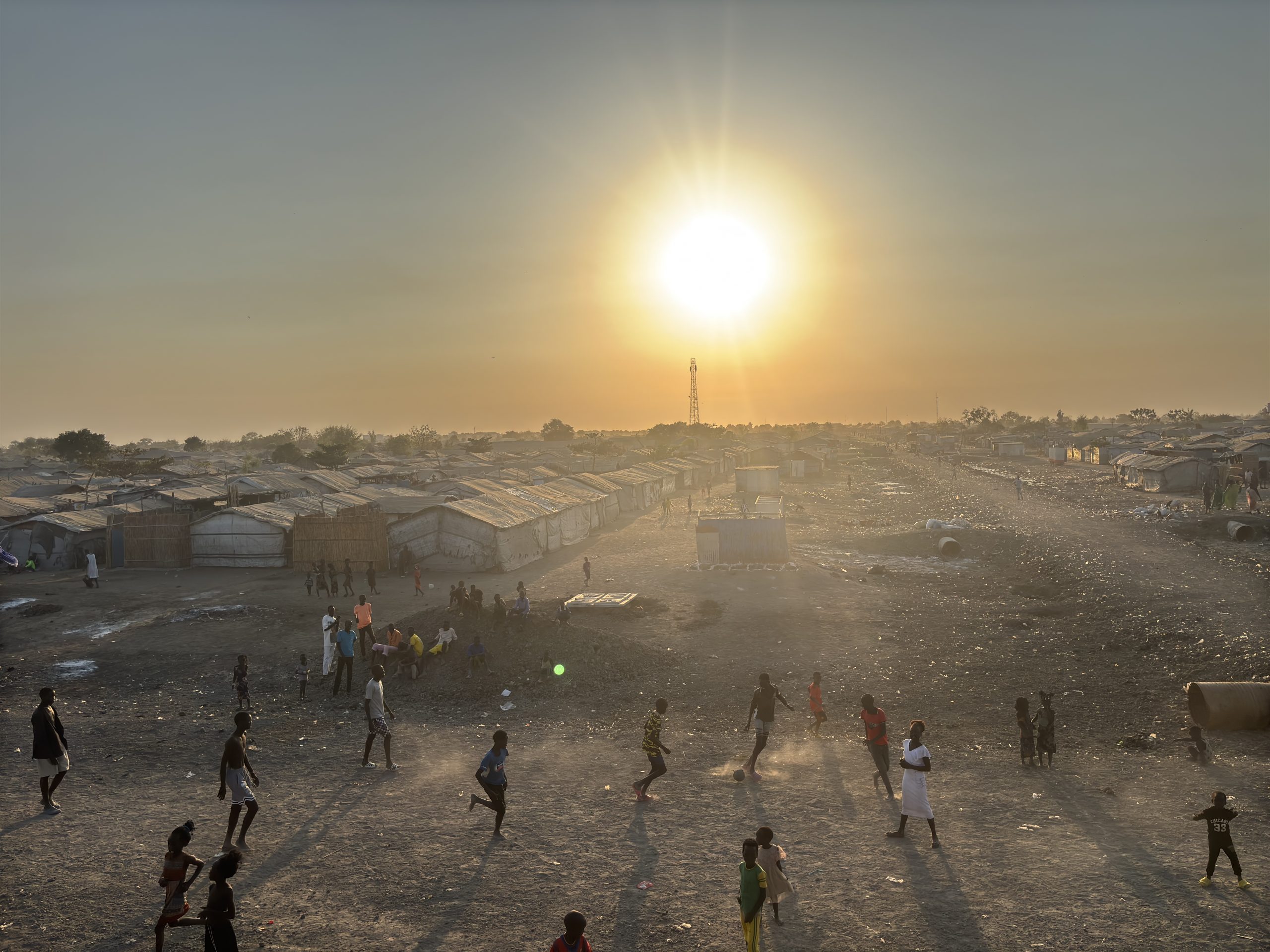
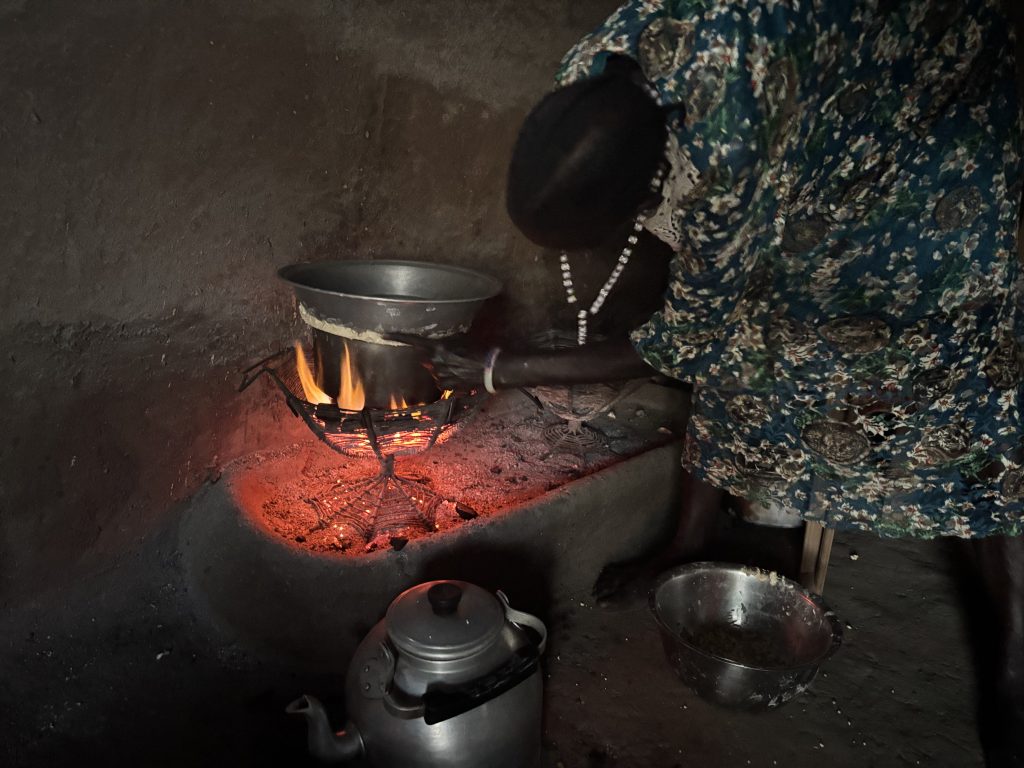
- The Sound of Survival: In places like Bentiu, there is no power grid. The “quiet” is punctuated by the distant, rhythmic thrum of NGO generators and the unique sizzle of charcoal cooking in metal braziers—the real sounds of a functioning community in a conflict-recovery zone.
- Unique Acoustics: We recorded inside traditional mud-and-bamboo huts (tukul) and under the vast, echoing metal roofs of local churches, where the joy of the community hits a frequency you can’t recreate in a studio.
Technical Authenticity for Modern Workflows
Recording was an exercise in patience and stealth. In a country where “uncertainty reigns supreme,” I had to navigate military checkpoints and the suspicion that comes with being an outsider with gear.
The result is 35 GB of raw, immersive atmosphere. Because I recorded in Ambisonics (AmbiX), these sounds aren’t just backgrounds; they are 3D environments. Whether you are working in Stereo or building a 7.1.2 Dolby Atmos bed for a documentary or feature film, these files provide the spatial depth needed to make a scene feel “lived-in.
Why this belongs in your library
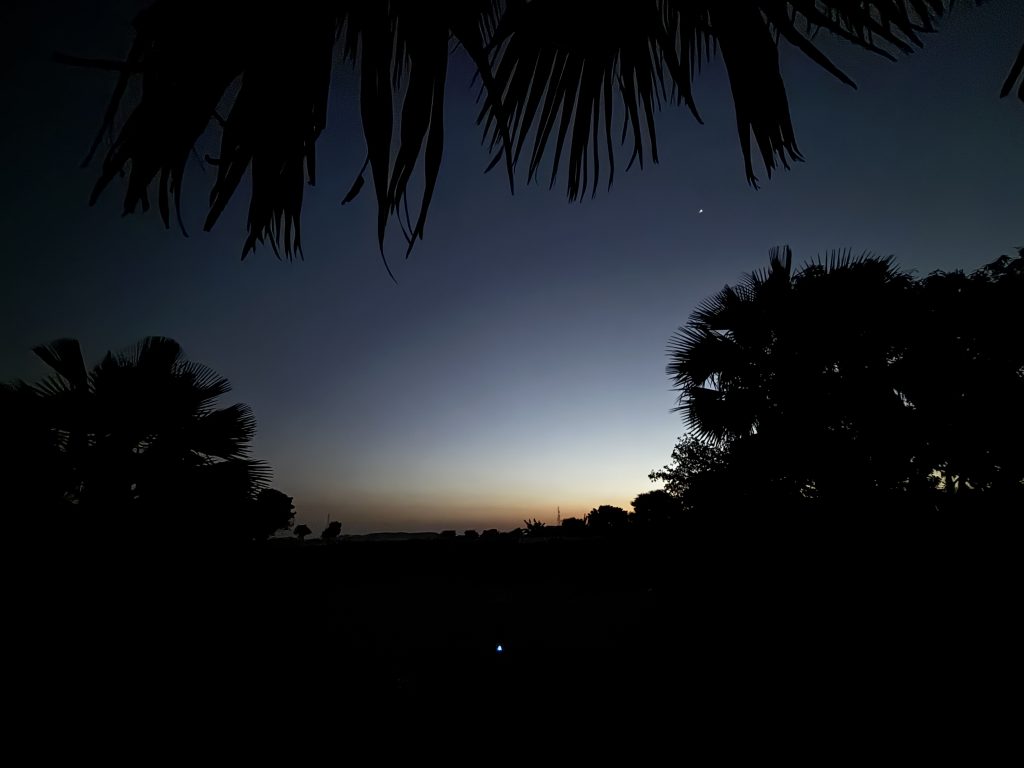
This isn’t just another “nature” pack. It’s a resource for creators who need to solve the problem of place. It’s for the filmmaker who knows that a refugee camp doesn’t just sound like “crowd noise”—it sounds like children playing in the dirt against a backdrop of distant drums and the omnipresent wind of the floodplains.
South Sudan is a land of extremes. It is loud, quiet, beautiful, and harsh. Now, for the first time, it’s available in high-fidelity for your next project.