


In a year where “theatrical experience” has become the industry’s battle cry, these five films proved that sound isn’t just an accompaniment—it’s a character in its own right.
1. F1 (Directed by Joseph Kosinski)
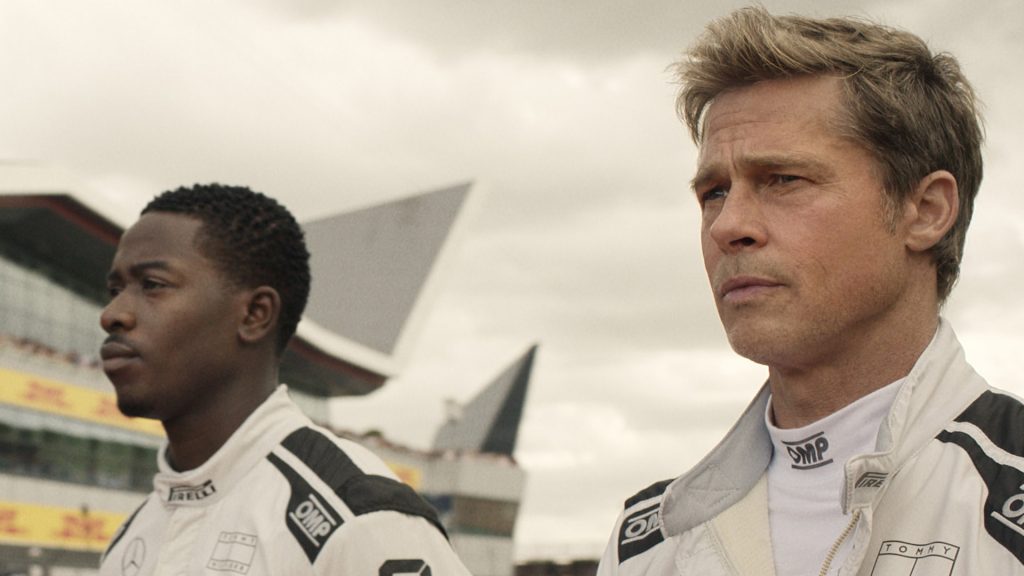
After the sonic triumph of Top Gun: Maverick, Kosinski returns with a film that treats the cockpit of a Formula 1 car like a high-pressure chamber.
The sound in F1 isn’t just about loud engines; it’s about spatial orientation. Using Dolby Atmos to its full potential, the sound team placed the audience inside the helmet, emphasizing the “dirty air” turbulence and the granular whine of the hybrid power units.
The team utilized groundbreaking microphones mounted directly on the cars during actual Grand Prix sessions, capturing raw mechanical stress to enhance the sonic experience.
2. Frankenstein (Directed by Guillermo del Toro)
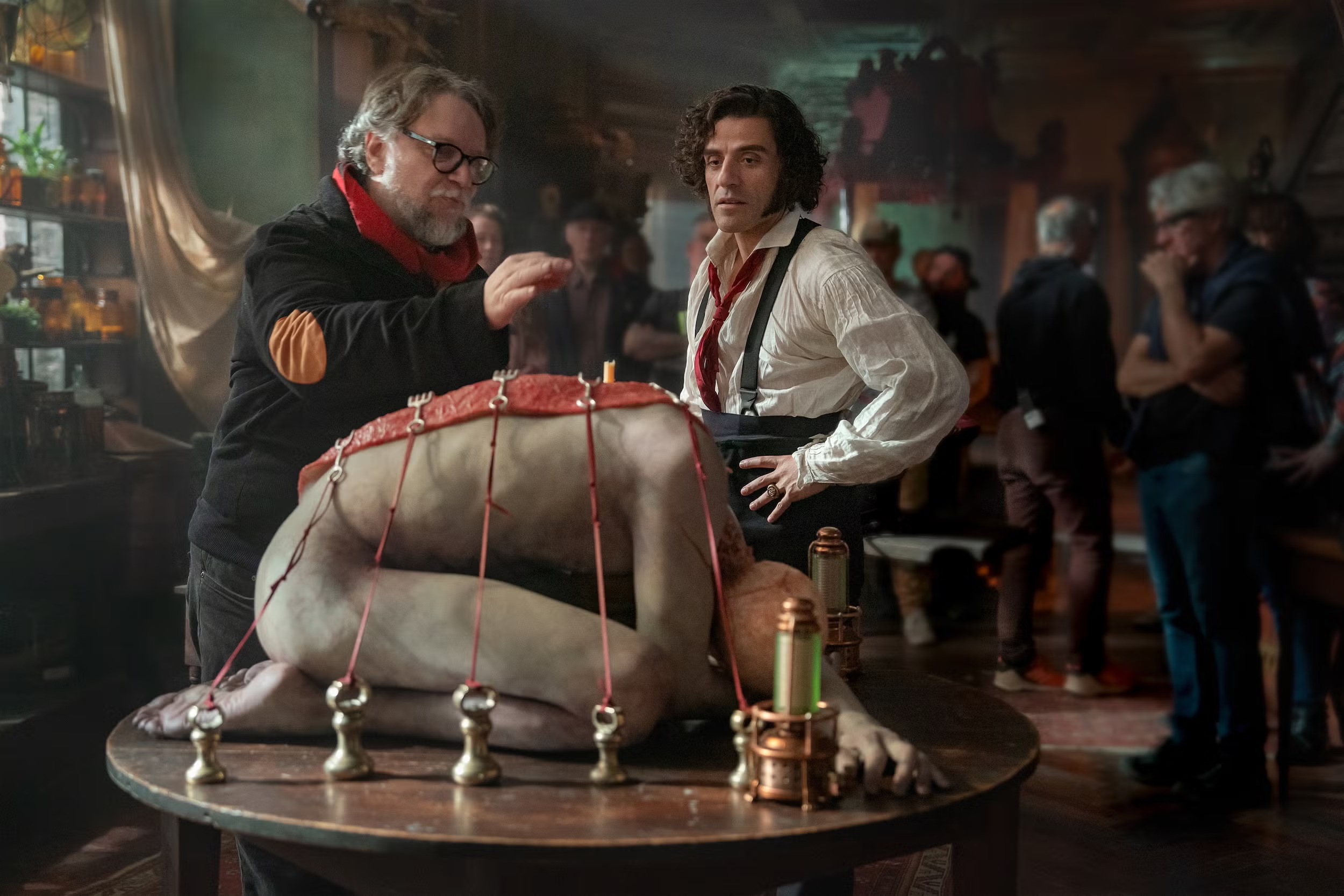
Del Toro’s gothic masterpiece relies on a “living” environment. The sound of the castle is as important as the monster himself.
This is a film of textures. The squelch of organic matter, the heavy clinking of 19th-century medical tools, and the oppressive silence of the Arctic wastes. It’s a hyper-realist approach to horror and tragedy.
The sound design team used “organic synthesis,” recording biological sounds—heartbeats, breathing through water, and muscle tension—to create a voice for the Creature that feels both human and alien.
3. Sinners (Directed by Ryan Coogler)
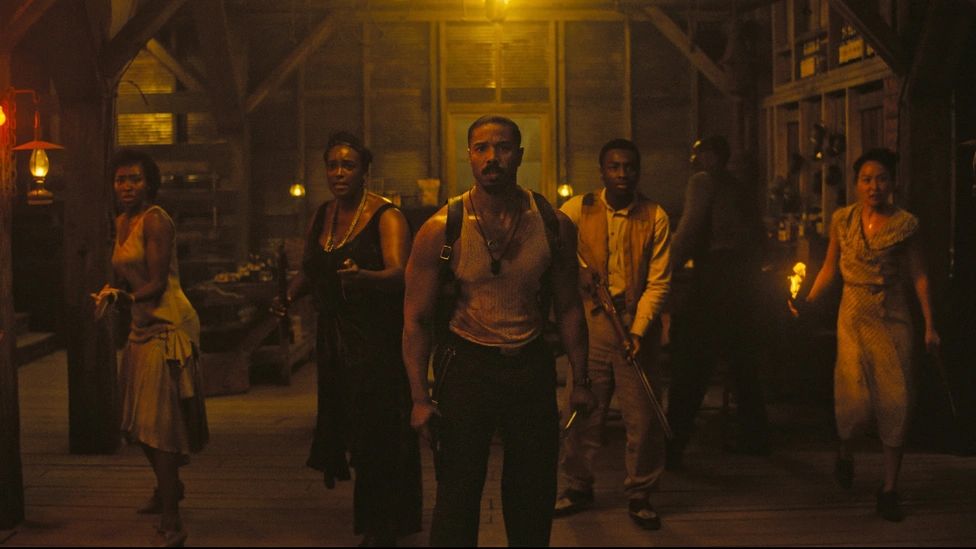
This supernatural thriller set in the Jim Crow-era South uses sound to bridge the gap between historical tension and supernatural dread.
Coogler utilizes subjective sound. The “Sound of Sin” is portrayed through distorted period music and atmospheric drones that swell when the characters are under psychological pressure.
The film stands out for its “Sonic Period Authenticity.” The team recreated the acoustic profile of 1930s rural environments, using vintage equipment to record “worldized” versions of the dialogue to make it feel embedded in the era.
4. One Battle After Another (Directed by Paul Thomas Anderson)
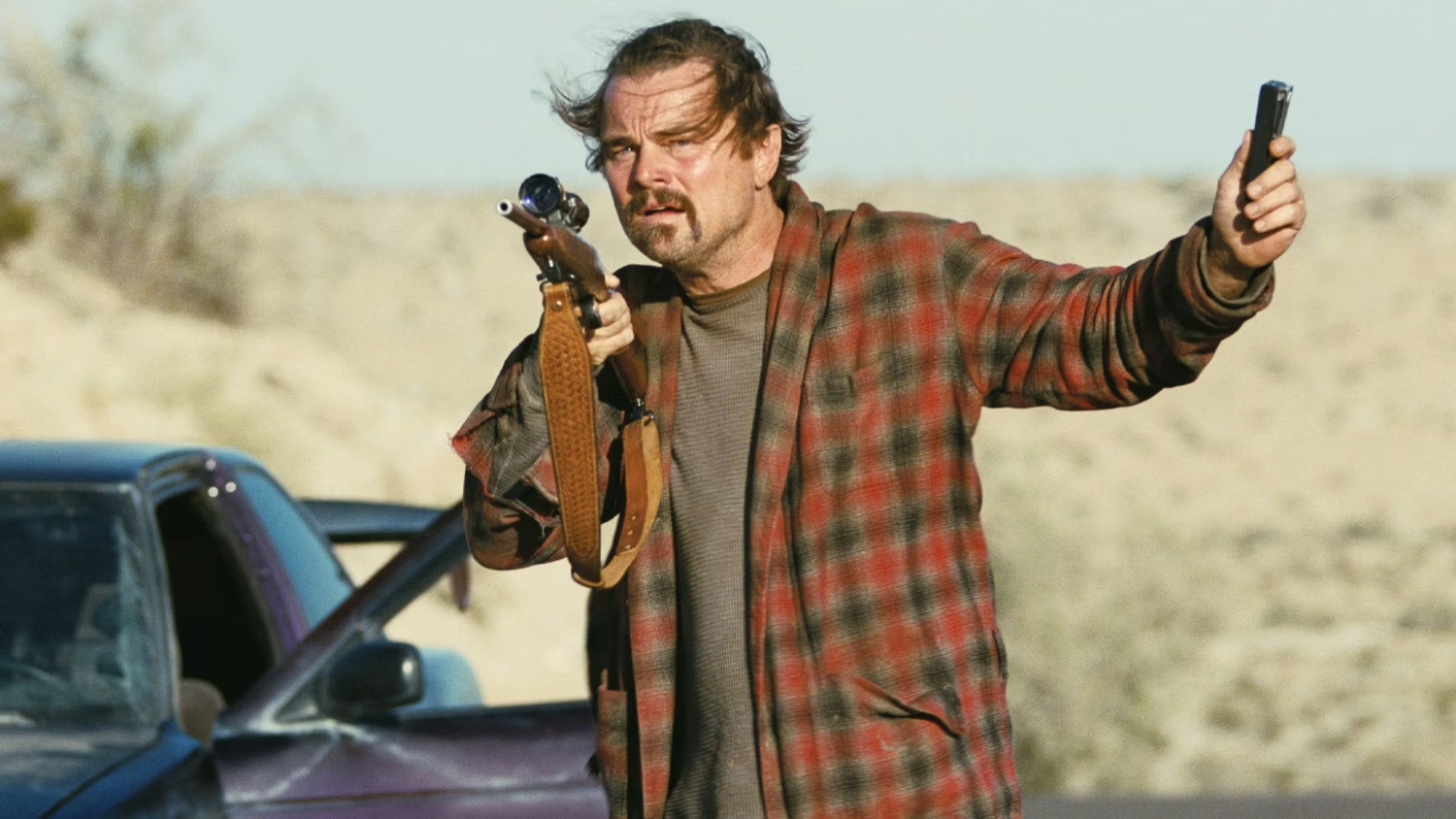
A sprawling epic that demands a complex, layered mix where dialogue must remain king amidst chaos.
Anderson is known for his love of naturalism. The sound here is rugged and unpolished. The Production Sound is incredibly clean, capturing the nuances of Leonardo DiCaprio’s performance in difficult outdoor environments.
The Academy likely nominated this for its “Dynamic Range.” The film moves from deafening, chaotic sequences to whispers in a way that feels completely transparent, never losing the intimacy of the performances.
5. Sirât (Directed by Oliver Laxe)

As the “dark horse” of the category, this spanish desert trip caught the Academy’s ear with its minimalist but terrifyingly effective use of silence.
The film uses negative space. By removing expected environmental sounds, the filmmakers create a vacuum that heightens the audience’s anxiety.
Use of “Binaural Recording” techniques in specific sequences to create a 360-degree psychological experience, making the viewer feel like the protagonist’s paranoia is their own.
Conclusion
The 2026 nominees prove that the Academy is moving away from “loudest is best.” Whether it’s the mechanical precision of F1 or the psychological void of Sirât, this year’s list celebrates sound as a tool for immersion. These films didn’t just tell us a story; they made us live inside one.
